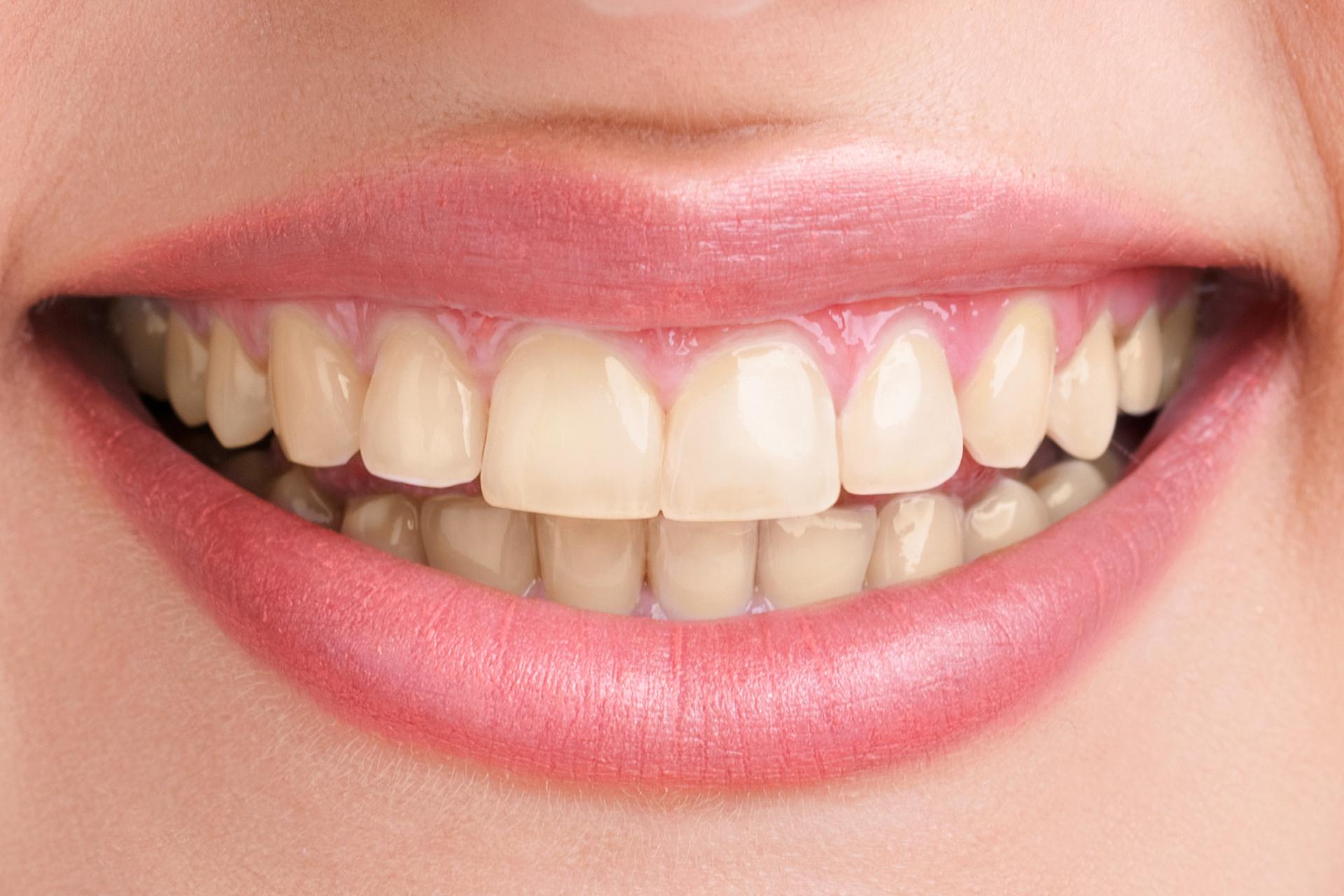
Can You Really Get Teeth Whitening While Wearing Braces? Here's What I Tell My Patients
Have Your Teeth Started Looking Duller With Braces?
Hello! I'm Dr. Vishalinni Aramugan K (BDS). If you've noticed your teeth looking duller since getting braces, don't worry, it's a very common concern. In this article, I'll explain why it happens, whether teeth whitening is the right choice during braces treatment, and what I usually recommend to help my patients keep their smiles healthy and bright.
One of the questions I hear most often in my clinic is,
"Doctor, my teeth are starting to look yellow with braces. Can I whiten them now?"
If that's a question you've been asking yourself, you're certainly not alone.
Many people notice that their smile doesn't look as bright a few months after getting braces. Naturally, they start looking for whitening toothpaste, whitening strips, or even professional teeth whitening. But before you try any of these options, I'd like to help you understand what's actually happening to your teeth and when whitening is the right choice.
Can You Whiten Your Teeth While Wearing Braces?
The short answer is yes, but it isn't the right choice for everyone.
Whether teeth whitening is suitable depends on the type of braces you're wearing, your oral health, and where you are in your orthodontic treatment.
For most of my patients wearing fixed braces, I usually recommend waiting until the braces are removed. This helps ensure that every surface of your teeth can be whitened evenly, giving you a more natural-looking result.
If you're wearing clear aligners, professional whitening may be possible because the aligners are removable. However, before I recommend any whitening treatment, I always assess your oral health, tooth sensitivity, and treatment progress to make sure it's both safe and suitable for your smile.
Why Do Teeth Look Yellow or Dull During Braces Treatment?
One thing I always reassure my patients about is this:
Braces themselves don't make your teeth yellow
What usually happens is that braces make cleaning your teeth a little more challenging. Food particles and plaque can collect around the brackets and wires, especially if brushing and flossing aren't thorough. Over time, this buildup can make your teeth appear dull or slightly stained
Your daily habits also play an important role. Drinks like coffee and tea, along with strongly coloured foods and soft drinks, can leave surface stains on the exposed enamel. Combined with areas that are harder to clean, these stains can make your smile look less bright, even when your teeth are healthy
Some of the most common reasons I see for teeth looking dull during braces treatment include:
- Plaque is building up around brackets and wires.
- Surface stains from coffee, tea, coloured foods, and soft drinks.
- Difficulty cleaning hard-to-reach areas effectively.
- Inconsistent brushing and flossing around orthodontic appliances.
- Missing regular professional dental cleanings.
The good news is that, in many cases, these changes are only temporary. With the right oral hygiene routine and regular professional dental care, you can keep your smile healthy throughout your braces journey and achieve excellent whitening results when the time is right.
Can All Types of Braces Be Whitened?
This is another question I get asked quite frequently, and the answer is it depends on the type of braces you're wearing.
Not all orthodontic appliances allow teeth whitening in the same way. While some types offer more flexibility, others can result in uneven whitening if treatment is done too early
That's why I always recommend understanding how your braces affect the whitening process before deciding on any treatment. After examining your teeth, I'll be able to recommend the safest timing and the most suitable option to help you achieve a healthy, even-looking smile.
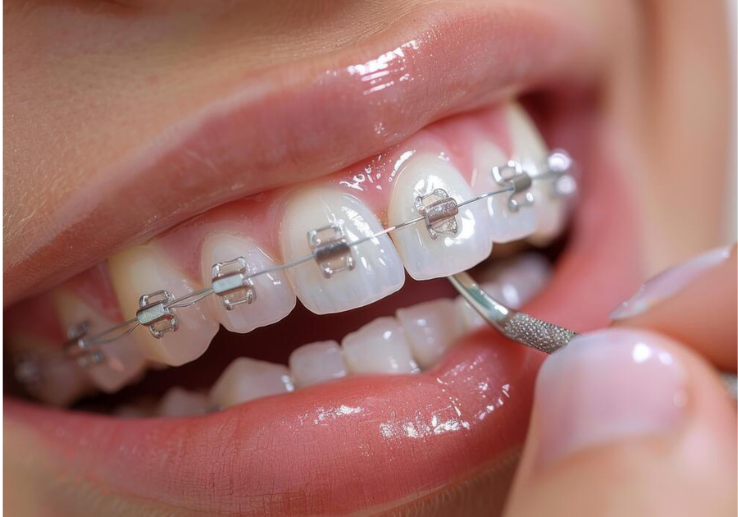
Fixed Metal Braces
If you're wearing traditional metal braces, I usually advise waiting until your braces are removed before whitening your teeth.
The reason is quite simple. The brackets cover a portion of each tooth, so whitening products can only work on the enamel that's exposed. The areas beneath the brackets won't whiten during treatment, which may leave noticeable differences in tooth colour once the braces come off
By waiting until your orthodontic treatment is complete, every surface of your teeth can be treated evenly, giving you a much more natural and predictable result.
Ceramic Braces
Many patients choose ceramic braces because they're less noticeable than metal braces. However, when it comes to teeth whitening, the situation is very similar
Although the brackets blend in better with your teeth, they're still bonded to the enamel. This means the whitening gel can't reach the areas underneath them.
For that reason, I generally recommend waiting until the ceramic braces are removed before starting professional teeth whitening. It helps achieve a more uniform shade across all your teeth.
Lingual Braces
Lingual braces work a little differently because they're attached to the back surfaces of your teeth instead of the front
Since the front of your teeth remains uncovered, whitening may be possible in selected cases. However, it isn't automatically the right choice for everyone.
Before recommending whitening, I carefully evaluate your treatment progress, oral health, and the likelihood of achieving an even result. Planning the treatment properly helps minimise unnecessary sensitivity and avoid uneven shade changes.
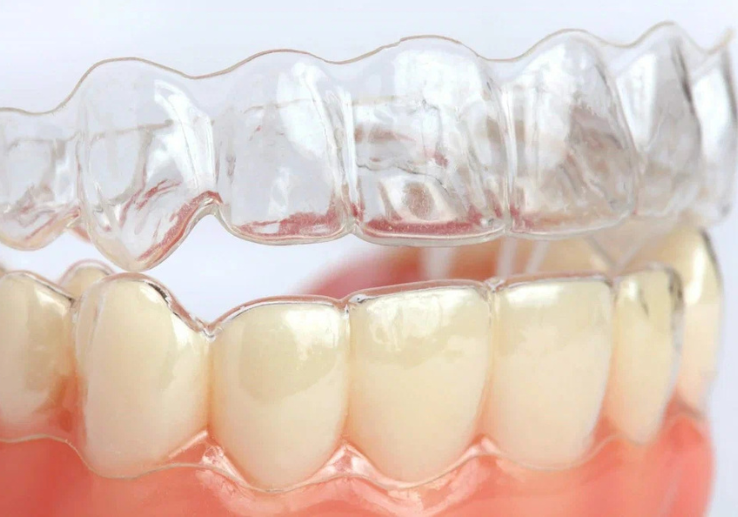
Clear Aligners
Patients wearing clear aligners usually have the greatest flexibility because the aligners can be removed during treatment.
In some situations, professional whitening can even be carried out using customised whitening gels under dental supervision.
That said, I don't recommend whitening for every patient wearing aligners. Before we begin any whitening treatment, I always check your oral health, tooth sensitivity, and how your orthodontic treatment is progressing. This helps ensure that the treatment is both safe and capable of giving you the best possible outcome.
Common Staining Challenges With Different Types of Braces
Although every type of brace is designed to straighten your teeth effectively, each one comes with its own cleaning challenges. Understanding these differences can make it much easier to prevent stains and keep your smile looking its best throughout treatment.
| Type of Braces | Common Challenge | What I Usually Recommend |
|---|---|---|
| Fixed Metal Braces | Plaque and food particles can collect around brackets and wires, making teeth appear dull over time. | Careful brushing after meals, interdental brushes, and regular professional dental cleanings. |
| Ceramic Braces | The clear elastic ties may become stained by coloured foods and drinks. | Limiting stain-causing foods and replacing elastic ties during adjustment appointments. |
| Lingual Braces | Cleaning the inner surfaces of the teeth can be more challenging because the brackets are placed behind the teeth. | Using a water flosser, floss threader, and following a thorough daily cleaning routine. |
| Clear Aligners | Aligners can become discoloured if worn while eating or drinking anything other than water. | Removing the aligners before meals, brushing your teeth before putting them back in, and cleaning the aligners every day. |
How Can You Keep Your Teeth Looking Brighter While Wearing Braces?
One thing I always tell my patients is that just because I recommend waiting for professional whitening doesn't mean you have to live with a dull-looking smile.
There are several simple and safe ways to minimise stains while you're wearing braces. The goal during this stage isn't to whiten your teeth, but to keep them as clean and healthy as possible so that, when the time comes for whitening, you achieve the best results.
Use a Dentist-Recommended Whitening Toothpaste
Many of my patients ask whether whitening toothpaste is safe to use with braces.
In most cases, yes, it can help remove mild surface stains caused by everyday foods and drinks. However, it's important to understand that whitening toothpaste won't lighten the enamel beneath the brackets or dramatically change the natural shade of your teeth.
I always recommend choosing a toothpaste that your dentist suggests and avoiding highly abrasive products, as these may increase tooth sensitivity or gradually wear down the enamel.
A suitable whitening toothpaste may help:
- Remove mild surface stains.
- Keep exposed tooth surfaces looking cleaner.
- Support your daily oral hygiene routine.
- Freshen your smile between dental visits.
Why Does Brushing Matter Even More During Braces Treatment?
>If there's one habit that makes the biggest difference during orthodontic treatment, it's proper brushing and cleaning around your braces.
>Brackets and wires create extra spaces where food particles and plaque can easily collect. That's why brushing with braces takes a little more time and care than it normally would.
>I often remind my patients that a few extra minutes spent cleaning each day can go a long way in preventing stains, protecting the gums, and keeping the teeth healthy throughout treatment.
Simple daily habits that I recommend include:
- Brushing after meals whenever possible.
- Using an orthodontic or soft-bristled toothbrush.
- Cleaning around brackets with interdental brushes.
- Flossing daily using orthodontic floss or a floss threader.
- Considering a water flosser to clean difficult-to-reach areas.
Which Foods and Drinks Can Stain Your Teeth During Braces Treatment?
Another question I hear quite often is whether certain foods can make teeth look darker while wearing braces.
The answer is yes. Some foods and drinks contain strong pigments that gradually leave surface stains on your teeth. Since cleaning around braces is already more challenging, these stains can become more noticeable over time.
I'm not saying you have to avoid all of your favourite foods. Instead, I encourage moderation and a few simple habits that help reduce staining. Even rinsing your mouth with water after eating or drinking can make a difference.
Some of the most common stain-causing foods and drinks include:
- Coffee.
- Tea.
- Cola and other dark soft drinks.
- Curry-based dishes.
- Soy sauce.
- Dark berries and coloured fruit juices.
Drinking plenty of water throughout the day also helps wash away food particles and reduces the amount of time staining pigments stay on your teeth.
Why Shouldn't You Skip Your Regular Dental Cleanings?
Even patients who brush very well can still develop plaque and tartar around their braces because some areas are simply difficult to reach at home.
That's why I always encourage my patients to keep up with their regular professional dental cleanings during orthodontic treatment.
Professional cleanings remove deposits that brushing alone can't eliminate. They also allow me to monitor your teeth and gums closely and help determine the best time to plan teeth whitening once your braces are removed.
Regular dental cleanings can help:
- Remove stubborn plaque and tartar.
- Reduce surface stains.
- Lower the risk of cavities and gum disease.
- Keep your smile healthier throughout your braces treatment.
What Are the Common Mistakes That Can Make Your Teeth Look More Stained During Braces Treatment?
One thing I've noticed over the years is that braces usually aren't the reason teeth start looking stained. More often than not, it's a few everyday habits that slowly make a difference.
When you're wearing braces, your teeth need a little more attention than usual. Even small changes to your daily routine can help keep your smile looking cleaner throughout your treatment.
Here are some of the mistakes I commonly discuss with my patients:
- Skipping brushing after meals.
- Not cleaning properly around the brackets and wires.
- Drinking coffee, tea, or dark-coloured soft drinks frequently without rinsing afterwards.
- Smoking or using tobacco products can cause significant staining.
- Missing regular dental check-ups and professional cleanings.
- Trying whitening products without first speaking to your dentist.
The good news is that most of these habits are easy to improve. A few simple changes today can help you maintain a healthier, brighter-looking smile until your braces come off.
Frequently asked questions
Yes, you can use whitening toothpaste while wearing braces. It can help remove mild surface stains from the exposed parts of your teeth, but it won't whiten the enamel beneath the brackets. If you're unsure which toothpaste is suitable, it's always best to ask your dentist for a recommendation.
Yes, they can. Whitening products only work on the visible parts of your teeth, while the areas beneath the brackets remain unchanged. This can lead to uneven tooth colour once your braces are removed, which is why I usually recommend waiting until your treatment is complete.
In some cases, yes. Because clear aligners are removable, professional whitening may be possible during treatment. However, your dentist will first check your oral health, tooth sensitivity, and treatment progress before deciding if it's the right option for you.
Braces don't actually make your teeth yellow. Plaque, food particles, and surface stains can build up around the brackets and wires, making your teeth appear dull. Brushing carefully, flossing, and regular dental cleanings can help keep your smile brighter
For most people wearing fixed braces, whitening after the braces are removed gives the best results. It allows every surface of your teeth to be whitened evenly, resulting in a more natural-looking smile.
For most people wearing fixed braces, whitening after the braces are removed gives the best results. It allows every surface of your teeth to be whitened evenly, resulting in a more natural-looking smile.
The best way is to maintain excellent oral hygiene. Brush carefully around your brackets, floss every day, limit foods and drinks that can stain your teeth, and keep up with your regular dental check-ups and professional cleanings.
No. Professional teeth whitening doesn't damage your braces or affect your orthodontic treatment. The main concern is timing, as whitening too early can lead to uneven results. That's why a dental assessment is always recommended first.
For most people wearing fixed braces, whitening after the braces are removed gives the best results. It allows every surface of your teeth to be whitened evenly, resulting in a more natural-looking smile.
What I'd Like My Patients to Remember
If there's one thing I'd like you to take away from this article, it's this:
Don't rush into whitening your teeth simply because they look a little dull while you're wearing braces
In most cases, those temporary stains can be managed with good oral hygiene and regular professional care. Choosing the right whitening treatment at the right time will always give you better, more even, and longer-lasting results
Every patient I see has a different smile, different braces, and different treatment goals. That's why I never believe in a one-size-fits-all approach. I always prefer to assess your smile first, explain your options clearly, and recommend the safest path forward.
My goal isn't just to help you achieve a whiter smile—it's to help you achieve a smile that's healthy, confident, and built to last
Your Best Smile Starts with the Right Advice
Another question I hear quite often is whether certain foods can make teeth look darker while wearing braces.
During your consultation, I'll assess your teeth, your braces, and your overall oral health before recommending the most suitable approach for your smile.
Sometimes the best advice is to wait a little longer, and sometimes treatment can begin sooner. Either way, my priority is helping you achieve a result that looks natural, even, and healthy—not just immediately, but for years to come